to anneal brass tube heat it to cherry red and allow to cool slowly? Right?
annealing brass tube?
Stuka Stunt Main Forum · 57 of 57 known posts recovered
Ty Marcucci · Jun 23, 2003 02:36 PM
#1 sourceRight, at least that's how I do it. Fill it with sand or weed whacker line to bend it if you don't have the K&S tubing bender kit.
>Right, at least that's how I do it. Fill it with sand or
>weed whacker line to bend it if you don't have the K&S
>tubing bender kit.
>weed whacker line to bend it if you don't have the K&S
>tubing bender kit.
won't the weed whacker line melt? 
Ty Marcucci · Jun 23, 2003 03:05 PM
#3 sourceGood thing you had that smiley face, I thought you were serious for a second!!
K&S also sells "soft brass tubing". The stock number for 1/8" dia is 121. I have been using this for years. Very convenient!
Tom N
Brass tubing can be made soft with a propane torch. Doesn't need to be cooled any special way. Once soft it can be bent with ordinary fingers, and no special tools required. Great for gas tank tubing.
Floyd
>to anneal brass tube heat it to cherry red and allow to cool
>slowly? Right?
>slowly? Right?
Wrong. To anneal Brass, Copper Heat it and cool it quickly in cold water. Watch out for hot stuff comming out of the inside of the tubing.
To anneal Steel heat it and allow it to cool slowly.
Terry
Steve Helmick · Jun 23, 2003 08:11 PM
#7 sourceI was recently digging through the scraps of brass tubing, and found almost a full length, kinda crudy looking, but unused. I polished up the OD with some Scotchbrite, and noticed that it looked funny in one area...full length. Yeah, split at the seam. Don't bother to anneal brass tubing, just leave it at the LHS and buy copper tube for tanks.
 Steve
Steve
Steve>>to anneal brass tube heat it to cherry red and allow to cool
>>slowly? Right?
>
>Wrong. To anneal Brass, Copper Heat it and cool it quickly
>in cold water. Watch out for hot stuff comming out of the
>inside of the tubing.
>
>To anneal Steel heat it and allow it to cool slowly.
>>slowly? Right?
>
>Wrong. To anneal Brass, Copper Heat it and cool it quickly
>in cold water. Watch out for hot stuff comming out of the
>inside of the tubing.
>
>To anneal Steel heat it and allow it to cool slowly.
after getting a couple of opinions here I did a little more looking around. ...shoulda done that first... turns out there are several threads in the archives about this and most of them are divided in opinion: cold quench or slow air cool for brass.
One responder (JAK) pointed out the ammunition reloading folks use the cold water quench for brass.
So, a little experiment was in order last night. I took a piece of 1/8" OD tube heated one end red hot and allowed it to cool slowly, the other end was heated red hot and cold water quenched. Then I tried to bend the tube with my fingers...
drum roll please...
both ends bent easily. (purely subjective opinion: the cold water quench works better)

If you're trying to reduce the temper, let it cool slowly. Cooling quickly will increase temper.
You wanted it soft, right? Allow it to cool slowly.
[photo not recovered: 3e69bb3870f12ad5.jpg]
"Never allow school to interfere with your education." -Mark Twain
For nonferrous metals you want to cool quickly. I guess if you get off watching paint dry you can watch your brass cool slowly. But the correct answer is cool it FAST and keep on building. And if you want to take the temper out of ferrous metal you would let it cool slowly.
Terry
(Hmmm.. Brass must be a ferrous metal too?) I made my own custom control horns with brass sheet brazed to steel wire. The sheet became super soft after being heated cherry red and allowed to cool in the air; after I reheated it and quenched it in oil, the sheet became appreciably stiffer. A prior experiment with it thrown into water to cool very quickly made it so brittle that it cracked and failed easily..
I've also softened brass tubes for bending by heating them and letting them cool in the air.
Guess I didn't know any better. 
[photo not recovered: 3e69bb3870f12ad5.jpg]
"A lame duck session, for people who don't know what that means, it means the Senate is coming and the House is coming back between now and Christmas and they've got a few days to get some big things done." -George W. Bush 9/7/02
>>>to anneal brass tube heat it to cherry red and allow to cool
>>>slowly? Right?
>>
>>Wrong. To anneal Brass, Copper Heat it and cool it quickly
>>in cold water. Watch out for hot stuff comming out of the
>>inside of the tubing.
>>
>>To anneal Steel heat it and allow it to cool slowly.
>
>after getting a couple of opinions here I did a little more
>looking around. ...shoulda done that first... turns out
>there are several threads in the archives about this and
>most of them are divided in opinion: cold quench or slow air
>cool for brass.
>
>One responder (JAK) pointed out the ammunition reloading
>folks use the cold water quench for brass.
>
>So, a little experiment was in order last night. I took a
>piece of 1/8" OD tube heated one end red hot and allowed it
>to cool slowly, the other end was heated red hot and cold
>water quenched. Then I tried to bend the tube with my
>fingers...
>
>drum roll please...
>
>both ends bent easily. (purely subjective opinion: the cold
>water quench works better)
>
>
>>>slowly? Right?
>>
>>Wrong. To anneal Brass, Copper Heat it and cool it quickly
>>in cold water. Watch out for hot stuff comming out of the
>>inside of the tubing.
>>
>>To anneal Steel heat it and allow it to cool slowly.
>
>after getting a couple of opinions here I did a little more
>looking around. ...shoulda done that first... turns out
>there are several threads in the archives about this and
>most of them are divided in opinion: cold quench or slow air
>cool for brass.
>
>One responder (JAK) pointed out the ammunition reloading
>folks use the cold water quench for brass.
>
>So, a little experiment was in order last night. I took a
>piece of 1/8" OD tube heated one end red hot and allowed it
>to cool slowly, the other end was heated red hot and cold
>water quenched. Then I tried to bend the tube with my
>fingers...
>
>drum roll please...
>
>both ends bent easily. (purely subjective opinion: the cold
>water quench works better)
>
>
This is the standard method for brass. This has been done by cartridge reloaders for generations. The key is to control how hot it is before the quench- red hot (or more) will render it dead soft- the less it is heated before the quench- the harder the brass will be after. You can control it to any point, just takes a lot of trial and error.
J
In my haste I posted some more annealing info on the "products review" conference... oops...
but to recap here:
it appears to be the heating that releaves the stress not the cooling.
so as in my little experiment both work. Now I wonder if the difference might be the difference between "annealing" and "normalizing"
>In my haste I posted some more annealing info on the
>"products review" conference... oops...
>
>"products review" conference... oops...
>
Not to worry, I moved it back to the main forum.
Leonard Neumann
With Ferrous metals, Normalizing is the heating of the metal to it's currie point (where it loses it's magnetic properties) and then letting it cool in room temperature conditions. Do not use forced air cooling. This results in the metal being considerably softer than almost any heat treated condition. Annealing is the process where the metal is brought up to the currie point and then GRADUALLY cooled in the furnace by dropping the temperature in 50 degree increments and holding the temp at each increment for 30 minutes to two hours until normal room temperature is reached. Quite lengthy and expensive, but results in the softest condition of the metal.
Normalizing of non-ferrous metals is basically the same. Heat it red hot, air cool to room temp. Annealing is cooling by controled conditions but I don't remember the exact conditions. (whether the cooling is accelerated or delayed) But for ultimate softness, it must be controled. For most of our working conditions, normalizing will surfice.
Bigiron
Normalizing of non-ferrous metals is basically the same. Heat it red hot, air cool to room temp. Annealing is cooling by controled conditions but I don't remember the exact conditions. (whether the cooling is accelerated or delayed) But for ultimate softness, it must be controled. For most of our working conditions, normalizing will surfice.
Bigiron
Bigiron13
>to anneal brass tube heat it to cherry red and allow to cool
>slowly? Right?
>slowly? Right?
Wrong.
You heat it and then immediately quench in cool water. This is the standard age old method for annealing brass.
J
SRiese5283 · Jun 25, 2003 12:17 AM
#17 source>to anneal brass tube heat it to cherry red and allow to cool
>slowly? Right?
>slowly? Right?
YES.....
Scott(don't do it fast)Riese
Scott Riese
>>to anneal brass tube heat it to cherry red and allow to cool
>>slowly? Right?
>
>YES.....
>
>Scott(don't do it fast)Riese
>>slowly? Right?
>
>YES.....
>
>Scott(don't do it fast)Riese
That's how I've been doing for years with good results. It softens the 1/16th brass tubing I use for line ends & bellcrank bushings a bunch.
Nils
Why would you use brass anyway? Copper is stronger and withstands vibration better!
Hello Gang
I thought everyone in the CL group would use copper tube for tanks as brass can split or become pitted producing airbubles in the fule line.
Many "rc modellers" use the brass tubing supplied in the plastic commercial tanks and have engine problems.
John Quigley
>Why would you use brass anyway? Copper is stronger and
>withstands vibration better!
>withstands vibration better!
Huh? They made gun receivers out of brass- I am aware of only type of gun that ever had a copper frame. No question brass is stronger. If it is annealed properly it won't crack. The main problem with brass is the corrosion when in contact with glow fuel.
J
"It'll probably feel real good again, once it quits hurting".
Pat Mackenzie · Jun 29, 2003 07:19 AM
#23 source I have always heated it to red, then allowed it to cool slowly.
Apparently quenching also works, so this raises the question, How do you harden brass?
As far as brass vs copper, lots of spray bars are made of brass, but I can't recall seeing a copper one.
Pat MacKenzie
Apparently quenching also works, so this raises the question, How do you harden brass?
As far as brass vs copper, lots of spray bars are made of brass, but I can't recall seeing a copper one.
Pat MacKenzie
Other than forging it, I am not sure you can.
John
"It'll probably feel real good again, once it quits hurting".
I thought brass was used over copper in spray bars due to it's excellant machining properties.
Brass will split long before copper but it is suitable if there is enough wall thickness. Brass is vastly better for machining purposes and so is used for NVAs where copper would be horrible to machine. Most brass tube used in tanks is thin walled and prone to splitting. Copper being more maleable doesn't have that problem. Simple as that.
Larry Foster · Jun 30, 2003 05:18 PM
#27 sourceI agree with Tim's comments. I gave up on brass tubing 15 years ago. I have found that it's good to re-anneal it after your done bending. It tends to harden slightly after being shaped. That reduces the chance of cranking for brass and copper. As for cooling it ALCOA air cools there T6061 tube to reshape it cold in their Drawn Tube Mill and quenches it for surface hardening. I would assume this applies to copper and brass also, but I may be wrong.
Larry
Flying Control Line is not a Hobby it's a way of Life.
Be Safe.
Larry Foster
>
>I agree with Tim's comments. I gave up on brass tubing 15
>years ago. I have found that it's good to re-anneal it after
>your done bending. It tends to harden slightly after being
>shaped. That reduces the chance of cranking for brass and
>copper. As for cooling it ALCOA air cools there T6061 tube
>to reshape it cold in their Drawn Tube Mill and quenches it
>for surface hardening. I would assume this applies to copper
>and brass also, but I may be wrong.
>
>Larry
>I agree with Tim's comments. I gave up on brass tubing 15
>years ago. I have found that it's good to re-anneal it after
>your done bending. It tends to harden slightly after being
>shaped. That reduces the chance of cranking for brass and
>copper. As for cooling it ALCOA air cools there T6061 tube
>to reshape it cold in their Drawn Tube Mill and quenches it
>for surface hardening. I would assume this applies to copper
>and brass also, but I may be wrong.
>
>Larry
No, it doesn't. Once again, the standard for annealing brass (or copper) is to heat and water quench. All governemnt mil spec ammo cases are done this way- contracts require it. The annealing marks have to be left on the necks of the cases to show it has been done to standard.
Civilian brass (cases) are done this way too- but they are tumble polished afterwards to "pretty them up", as some consumers think the cases are "discolored". I heard one guy beef about the "discoloration" on a S&W revolver trigger and hammer. They are casehardened- he didn't even know what it was...
j
"It'll probably feel real good again, once it quits hurting".
Broken Wings · Jun 30, 2003 08:08 PM
#29 source>>
>>I agree with Tim's comments. I gave up on brass tubing 15
>>years ago. I have found that it's good to re-anneal it after
>>your done bending. It tends to harden slightly after being
>>shaped. That reduces the chance of cranking for brass and
>>copper. As for cooling it ALCOA air cools there T6061 tube
>>to reshape it cold in their Drawn Tube Mill and quenches it
>>for surface hardening. I would assume this applies to copper
>>and brass also, but I may be wrong.
>>
>>Larry
>
>
>No, it doesn't. Once again, the standard for annealing brass
>(or copper) is to heat and water quench. All governemnt mil
>spec ammo cases are done this way- contracts require it. The
>annealing marks have to be left on the necks of the cases to
>show it has been done to standard.
>Civilian brass (cases) are done this way too- but they are
>tumble polished afterwards to "pretty them up", as some
>consumers think the cases are "discolored". I heard one guy
>beef about the "discoloration" on a S&W revolver trigger and
>hammer. They are casehardened- he didn't even know what it
>was...
>
>j
>>I agree with Tim's comments. I gave up on brass tubing 15
>>years ago. I have found that it's good to re-anneal it after
>>your done bending. It tends to harden slightly after being
>>shaped. That reduces the chance of cranking for brass and
>>copper. As for cooling it ALCOA air cools there T6061 tube
>>to reshape it cold in their Drawn Tube Mill and quenches it
>>for surface hardening. I would assume this applies to copper
>>and brass also, but I may be wrong.
>>
>>Larry
>
>
>No, it doesn't. Once again, the standard for annealing brass
>(or copper) is to heat and water quench. All governemnt mil
>spec ammo cases are done this way- contracts require it. The
>annealing marks have to be left on the necks of the cases to
>show it has been done to standard.
>Civilian brass (cases) are done this way too- but they are
>tumble polished afterwards to "pretty them up", as some
>consumers think the cases are "discolored". I heard one guy
>beef about the "discoloration" on a S&W revolver trigger and
>hammer. They are casehardened- he didn't even know what it
>was...
>
>j
What happens to the Brass case when the bullet leaves the case and travels down the barrel of the gun? The case expands in the chamber. The end of the case that held the bullet is now "softer" than it was before the blast heated it and deformed the end of the case by pushing the bullet out. The case now needs to be "Hardened" by re-heating it and Quenching it in water. Now that you made the Brass case hard, you can trim the case, size it and press in another bullet. Because you "Hardned it" it's ready to go another round.
If you heat the case and let the case cool slowly, the atoms migrate and re-align, resulting in a softer brass. If the brass case was formerly "HARD", this "SOFTENING" process is called (annealing).
If you cool (quench) the case suddenly by immersing it in oil or water, the atoms are trapped, and the result is a very hard, brittle material.
When quenching, it is often very important to avoid stirring a part because this will cool one side much more quickly than the other, and might cause warping. For knife blades, as an example, move it strictly up and down during the quench.
Merriam-Webster
Anneal: to heat and then cool (as steel or glass) usually for softening and making less brittle; also : to cool slowly usually in a furnace b : to heat and then cool
I'm sure Tim is correct.
Broken Wings
Regards,
John Jolley
LAST EDITED ON Jun-30-03 AT 08:36 PM (CDT)
>>>
>>>I agree with Tim's comments. I gave up on brass tubing 15
>>>years ago. I have found that it's good to re-anneal it after
>>>your done bending. It tends to harden slightly after being
>>>shaped. That reduces the chance of cranking for brass and
>>>copper. As for cooling it ALCOA air cools there T6061 tube
>>>to reshape it cold in their Drawn Tube Mill and quenches it
>>>for surface hardening. I would assume this applies to copper
>>>and brass also, but I may be wrong.
>>>
>>>Larry
>>
>>
>>No, it doesn't. Once again, the standard for annealing brass
>>(or copper) is to heat and water quench. All governemnt mil
>>spec ammo cases are done this way- contracts require it. The
>>annealing marks have to be left on the necks of the cases to
>>show it has been done to standard.
>>Civilian brass (cases) are done this way too- but they are
>>tumble polished afterwards to "pretty them up", as some
>>consumers think the cases are "discolored". I heard one guy
>>beef about the "discoloration" on a S&W revolver trigger and
>>hammer. They are casehardened- he didn't even know what it
>>was...
>>
>>j
>
>What happens to the Brass case when the bullet leaves the
>case and travels down the barrel of the gun? The case
>expands in the chamber. The end of the case that held the
>bullet is now "softer" than it was before the blast heated
>it and deformed the end of the case by pushing the bullet
>out. The case now needs to be "Hardened" by re-heating it
>and Quenching it in water. Now that you made the Brass case
>hard, you can trim the case, size it and press in another
>bullet. Because you "Hardned it" it's ready to go another
>round.
>
>If you heat the case and let the case cool slowly, the atoms
>migrate and re-align, resulting in a softer brass. If the
>brass case was formerly "HARD", this "SOFTENING" process is
>called (annealing).
>
>If you cool (quench) the case suddenly by immersing it in
>oil or water, the atoms are trapped, and the result is a
>very hard, brittle material.
>
>When quenching, it is often very important to avoid stirring
>a part because this will cool one side much more quickly
>than the other, and might cause warping. For knife blades,
>as an example, move it strictly up and down during the
>quench.
>
>Merriam-Webster
>Anneal: to heat and then cool (as steel or glass) usually
>for softening and making less brittle; also : to cool slowly
>usually in a furnace b : to heat and then cool
>
>I'm sure Tim is correct.
>Broken Wings
>>>
>>>I agree with Tim's comments. I gave up on brass tubing 15
>>>years ago. I have found that it's good to re-anneal it after
>>>your done bending. It tends to harden slightly after being
>>>shaped. That reduces the chance of cranking for brass and
>>>copper. As for cooling it ALCOA air cools there T6061 tube
>>>to reshape it cold in their Drawn Tube Mill and quenches it
>>>for surface hardening. I would assume this applies to copper
>>>and brass also, but I may be wrong.
>>>
>>>Larry
>>
>>
>>No, it doesn't. Once again, the standard for annealing brass
>>(or copper) is to heat and water quench. All governemnt mil
>>spec ammo cases are done this way- contracts require it. The
>>annealing marks have to be left on the necks of the cases to
>>show it has been done to standard.
>>Civilian brass (cases) are done this way too- but they are
>>tumble polished afterwards to "pretty them up", as some
>>consumers think the cases are "discolored". I heard one guy
>>beef about the "discoloration" on a S&W revolver trigger and
>>hammer. They are casehardened- he didn't even know what it
>>was...
>>
>>j
>
>What happens to the Brass case when the bullet leaves the
>case and travels down the barrel of the gun? The case
>expands in the chamber. The end of the case that held the
>bullet is now "softer" than it was before the blast heated
>it and deformed the end of the case by pushing the bullet
>out. The case now needs to be "Hardened" by re-heating it
>and Quenching it in water. Now that you made the Brass case
>hard, you can trim the case, size it and press in another
>bullet. Because you "Hardned it" it's ready to go another
>round.
>
>If you heat the case and let the case cool slowly, the atoms
>migrate and re-align, resulting in a softer brass. If the
>brass case was formerly "HARD", this "SOFTENING" process is
>called (annealing).
>
>If you cool (quench) the case suddenly by immersing it in
>oil or water, the atoms are trapped, and the result is a
>very hard, brittle material.
>
>When quenching, it is often very important to avoid stirring
>a part because this will cool one side much more quickly
>than the other, and might cause warping. For knife blades,
>as an example, move it strictly up and down during the
>quench.
>
>Merriam-Webster
>Anneal: to heat and then cool (as steel or glass) usually
>for softening and making less brittle; also : to cool slowly
>usually in a furnace b : to heat and then cool
>
>I'm sure Tim is correct.
>Broken Wings
And I am sure he isn't. You have it backwards. You have to be very careful on heating and quenching a case, because it will render the metal dead soft. ONLY the neck and shoulder (if any) are done. If you do this to the case head area you will get a separation on firing- NOT a good thing.
Cartridge brass will "flow" (or work) under pressure on firing- this is what work hardens it- the heat has nothing to do with it. Fire and reload a case without annealing it too many times (depending on how hot the load is), and you will quickly get neck splits and head separations that will ruin the case in short order. You'll get a face full of powder gas and brass fragments too...
John
"It'll probably feel real good again, once it quits hurting".
Broken Wings · Jun 30, 2003 09:06 PM
#31 source>>>>
>>>>I agree with Tim's comments. I gave up on brass tubing 15
>>>>years ago. I have found that it's good to re-anneal it after
>>>>your done bending. It tends to harden slightly after being
>>>>shaped. That reduces the chance of cranking for brass and
>>>>copper. As for cooling it ALCOA air cools there T6061 tube
>>>>to reshape it cold in their Drawn Tube Mill and quenches it
>>>>for surface hardening. I would assume this applies to copper
>>>>and brass also, but I may be wrong.
>>>>
>>>>Larry
>>>
>>>
>>>No, it doesn't. Once again, the standard for annealing brass
>>>(or copper) is to heat and water quench. All governemnt mil
>>>spec ammo cases are done this way- contracts require it. The
>>>annealing marks have to be left on the necks of the cases to
>>>show it has been done to standard.
>>>Civilian brass (cases) are done this way too- but they are
>>>tumble polished afterwards to "pretty them up", as some
>>>consumers think the cases are "discolored". I heard one guy
>>>beef about the "discoloration" on a S&W revolver trigger and
>>>hammer. They are casehardened- he didn't even know what it
>>>was...
>>>
>>>j
>>
>>What happens to the Brass case when the bullet leaves the
>>case and travels down the barrel of the gun? The case
>>expands in the chamber. The end of the case that held the
>>bullet is now "softer" than it was before the blast heated
>>it and deformed the end of the case by pushing the bullet
>>out. The case now needs to be "Hardened" by re-heating it
>>and Quenching it in water. Now that you made the Brass case
>>hard, you can trim the case, size it and press in another
>>bullet. Because you "Hardned it" it's ready to go another
>>round.
>>
>>If you heat the case and let the case cool slowly, the atoms
>>migrate and re-align, resulting in a softer brass. If the
>>brass case was formerly "HARD", this "SOFTENING" process is
>>called (annealing).
>>
>>If you cool (quench) the case suddenly by immersing it in
>>oil or water, the atoms are trapped, and the result is a
>>very hard, brittle material.
>>
>>When quenching, it is often very important to avoid stirring
>>a part because this will cool one side much more quickly
>>than the other, and might cause warping. For knife blades,
>>as an example, move it strictly up and down during the
>>quench.
>>
>>Merriam-Webster
>>Anneal: to heat and then cool (as steel or glass) usually
>>for softening and making less brittle; also : to cool slowly
>>usually in a furnace b : to heat and then cool
>>
>>I'm sure Tim is correct.
>>Broken Wings
>
>And I am sure he isn't. You have it backwards. You have to
>be very careful on heating and quenching a case, because it
>will render the metal dead soft. ONLY the neck and shoulder
>(if any) are done. If you do this to the case head area you
>will get a separation on firing- NOT a good thing.
>Cartridge brass will "flow" (or work) under pressure on
>firing- this is what work hardens it- the heat has nothing
>to do with it. Fire and reload a case without annealing it
>too many times (depending on how hot the load is), and you
>will quickly get neck splits and head separations that will
>ruin the case in short order. You'll get a face full of
>powder gas and brass fragments too...
>
>John
>>>>I agree with Tim's comments. I gave up on brass tubing 15
>>>>years ago. I have found that it's good to re-anneal it after
>>>>your done bending. It tends to harden slightly after being
>>>>shaped. That reduces the chance of cranking for brass and
>>>>copper. As for cooling it ALCOA air cools there T6061 tube
>>>>to reshape it cold in their Drawn Tube Mill and quenches it
>>>>for surface hardening. I would assume this applies to copper
>>>>and brass also, but I may be wrong.
>>>>
>>>>Larry
>>>
>>>
>>>No, it doesn't. Once again, the standard for annealing brass
>>>(or copper) is to heat and water quench. All governemnt mil
>>>spec ammo cases are done this way- contracts require it. The
>>>annealing marks have to be left on the necks of the cases to
>>>show it has been done to standard.
>>>Civilian brass (cases) are done this way too- but they are
>>>tumble polished afterwards to "pretty them up", as some
>>>consumers think the cases are "discolored". I heard one guy
>>>beef about the "discoloration" on a S&W revolver trigger and
>>>hammer. They are casehardened- he didn't even know what it
>>>was...
>>>
>>>j
>>
>>What happens to the Brass case when the bullet leaves the
>>case and travels down the barrel of the gun? The case
>>expands in the chamber. The end of the case that held the
>>bullet is now "softer" than it was before the blast heated
>>it and deformed the end of the case by pushing the bullet
>>out. The case now needs to be "Hardened" by re-heating it
>>and Quenching it in water. Now that you made the Brass case
>>hard, you can trim the case, size it and press in another
>>bullet. Because you "Hardned it" it's ready to go another
>>round.
>>
>>If you heat the case and let the case cool slowly, the atoms
>>migrate and re-align, resulting in a softer brass. If the
>>brass case was formerly "HARD", this "SOFTENING" process is
>>called (annealing).
>>
>>If you cool (quench) the case suddenly by immersing it in
>>oil or water, the atoms are trapped, and the result is a
>>very hard, brittle material.
>>
>>When quenching, it is often very important to avoid stirring
>>a part because this will cool one side much more quickly
>>than the other, and might cause warping. For knife blades,
>>as an example, move it strictly up and down during the
>>quench.
>>
>>Merriam-Webster
>>Anneal: to heat and then cool (as steel or glass) usually
>>for softening and making less brittle; also : to cool slowly
>>usually in a furnace b : to heat and then cool
>>
>>I'm sure Tim is correct.
>>Broken Wings
>
>And I am sure he isn't. You have it backwards. You have to
>be very careful on heating and quenching a case, because it
>will render the metal dead soft. ONLY the neck and shoulder
>(if any) are done. If you do this to the case head area you
>will get a separation on firing- NOT a good thing.
>Cartridge brass will "flow" (or work) under pressure on
>firing- this is what work hardens it- the heat has nothing
>to do with it. Fire and reload a case without annealing it
>too many times (depending on how hot the load is), and you
>will quickly get neck splits and head separations that will
>ruin the case in short order. You'll get a face full of
>powder gas and brass fragments too...
>
>John
Why does the case get neck splits with a hot load? Because you gueched it two fast and now it's too "hard" and will not flow (or work). It's not going to split because it's too soft.
Regards,
John Jolley
Iskandar Taib · Jun 30, 2003 09:57 PM
#33 source>Huh? They made gun receivers out of brass- I am aware of
>only type of gun that ever had a copper frame. No question
>brass is stronger. If it is annealed properly it won't
>crack. The main problem with brass is the corrosion when in
>contact with glow fuel.
>only type of gun that ever had a copper frame. No question
>brass is stronger. If it is annealed properly it won't
>crack. The main problem with brass is the corrosion when in
>contact with glow fuel.
Which receivers were made out of brass? Just curious - all the ones I've heard of (at least, for high pressure rifles in this century) were steel. Old muzzle loading cannon were often bronze, though.
Yeah, brass corrodes with glow fuel, but I suppose it can also work-harden when subjected to vibration.
>>Huh? They made gun receivers out of brass- I am aware of
>>only type of gun that ever had a copper frame. No question
>>brass is stronger. If it is annealed properly it won't
>>crack. The main problem with brass is the corrosion when in
>>contact with glow fuel.
>
>Which receivers were made out of brass? Just curious - all
>the ones I've heard of (at least, for high pressure rifles
>in this century) were steel. Old muzzle loading cannon were
>often bronze, though.
>
>Yeah, brass corrodes with glow fuel, but I suppose it can
>also work-harden when subjected to vibration.
>>only type of gun that ever had a copper frame. No question
>>brass is stronger. If it is annealed properly it won't
>>crack. The main problem with brass is the corrosion when in
>>contact with glow fuel.
>
>Which receivers were made out of brass? Just curious - all
>the ones I've heard of (at least, for high pressure rifles
>in this century) were steel. Old muzzle loading cannon were
>often bronze, though.
>
>Yeah, brass corrodes with glow fuel, but I suppose it can
>also work-harden when subjected to vibration.
The Henry repeating rifle had a brass receiver if I remember correctly. Also some old cap & ball revolvers had brass frames. I think they were made the century before last
/\/\/
>>>Huh? They made gun receivers out of brass- I am aware of
>>>only type of gun that ever had a copper frame. No question
>>>brass is stronger. If it is annealed properly it won't
>>>crack. The main problem with brass is the corrosion when in
>>>contact with glow fuel.
>>
>>Which receivers were made out of brass? Just curious - all
>>the ones I've heard of (at least, for high pressure rifles
>>in this century) were steel. Old muzzle loading cannon were
>>often bronze, though.
>>
>>Yeah, brass corrodes with glow fuel, but I suppose it can
>>also work-harden when subjected to vibration.
>
>The Henry repeating rifle had a brass receiver if I remember
>correctly. Also some old cap & ball revolvers had brass
>frames. I think they were made the century before last
>
>/\/\/
>>>only type of gun that ever had a copper frame. No question
>>>brass is stronger. If it is annealed properly it won't
>>>crack. The main problem with brass is the corrosion when in
>>>contact with glow fuel.
>>
>>Which receivers were made out of brass? Just curious - all
>>the ones I've heard of (at least, for high pressure rifles
>>in this century) were steel. Old muzzle loading cannon were
>>often bronze, though.
>>
>>Yeah, brass corrodes with glow fuel, but I suppose it can
>>also work-harden when subjected to vibration.
>
>The Henry repeating rifle had a brass receiver if I remember
>correctly. Also some old cap & ball revolvers had brass
>frames. I think they were made the century before last
>
>/\/\/
Correct. Most Henrys had brass frames, although there are a few with iron (casehardened ones). The most famous brass framed firearm is the Winchester 1866. This is the fabled "Yellowboy" of the Indian Wars era the direct ancestor of the '73 model. This single gun launched the Winchester marque on it's course- 30,000 carbines were sold to the Turkish government and they played a pivotal role in the defeat of the Russians at the battle of Plevna in 1877 during the Russo-Turkish war.
Here is another little tidbit:
http://collectorsfirearms.com/al847.htm
This one is bronze (bronze is copper/tin alloy, while brass is copper/zinc), but you get the idea. This is one of the last Colt Gatlings. It is an impressive piece, I have seen the specimen puppy up close. Almost the entire piece is bronze, only the barrels and bolts and firing pins and springs and a few other parts are steel...
John
"It'll probably feel real good again, once it quits hurting".
Wow, that's a cool thing. Not eighty thousand dollars cool (to me anyway), but pretty cool!
I forgot about the Winchester 1866.
/\/\/
Iskandar Taib · Jun 30, 2003 11:58 PM
#39 sourceAll sorts of people quoted here...
>>>>>I agree with Tim's comments. I gave up on brass tubing 15
>>>>>years ago. I have found that it's good to re-anneal it after
>>>>>your done bending. It tends to harden slightly after being
>>>>>shaped. That reduces the chance of cranking for brass and
>>>>>copper.
That's because bending brass work-hardens it. And work-hardened brass is more susceptible to breakage due to vibration.
>>>>No, it doesn't. Once again, the standard for annealing brass
>>>>(or copper) is to heat and water quench. All governemnt mil
>>>>spec ammo cases are done this way- contracts require it. The
>>>>annealing marks have to be left on the necks of the cases to
>>>>show it has been done to standard.
>>>>Civilian brass (cases) are done this way too- but they are
>>>>tumble polished afterwards to "pretty them up", as some
>>>>consumers think the cases are "discolored". I heard one guy
>>>>beef about the "discoloration" on a S&W revolver trigger and
>>>>hammer. They are casehardened- he didn't even know what it
>>>>was...
Col. Hatcher's Notebook has the interesting story of the brittle low-numbered '03 Springfield receivers. The later (good) ones were forged out of low-carbon steel (tough, but soft). To give them a good, hard bearing surface, they packed the receivers in carbon, and heated them in a furnace, making the surfaces high carbon steel.
>>>What happens to the Brass case when the bullet leaves the
>>>case and travels down the barrel of the gun? The case
>>>expands in the chamber. The end of the case that held the
>>>bullet is now "softer" than it was before the blast heated
>>>it and deformed the end of the case by pushing the bullet
>>>out. The case now needs to be "Hardened" by re-heating it
>>>and Quenching it in water. Now that you made the Brass case
>>>hard, you can trim the case, size it and press in another
>>>bullet. Because you "Hardned it" it's ready to go another
>>>round.
>>And I am sure he isn't. You have it backwards. You have to
>>be very careful on heating and quenching a case, because it
>>will render the metal dead soft. ONLY the neck and shoulder
>>(if any) are done. If you do this to the case head area you
>>will get a separation on firing- NOT a good thing.
>>Cartridge brass will "flow" (or work) under pressure on
>>firing- this is what work hardens it- the heat has nothing
>>to do with it. Fire and reload a case without annealing it
>>too many times (depending on how hot the load is), and you
>>will quickly get neck splits and head separations that will
>>ruin the case in short order. You'll get a face full of
>>powder gas and brass fragments too...
Yeah, it is backwards. The reason you get split case necks is due to work-hardening. This really isn't due to firing - it's due to repeated re-sizing of cases. If you don't resize your cases (Schutzen competitors, who use falling block rifles, don't)you don't need to anneal the cases after several uses, unlike the rest of us.
The case head is work-hardened by the drawing process used to create the case, and this is deliberately left in the hardened state. The part of the case immediately forward of the head does expand to grip the chamber walls - this seals the gases in. The hardened head and the bolt face (and proper headspace) keeps the head from moving backwards. You get stretched cartridges and head separations when the receiver stretches (e.g. 30-30 lever action rifles) or the bolt moves when firing (machine guns) or incorrect head space.
>Why does the case get neck splits with a hot load? Because
>you gueched it two fast and now it's too "hard" and will not
>flow (or work). It's not going to split because it's too
>soft.
I've never heard of case necks splitting from overly hot loads. Hot loads cause flattened (or worse, blown) primers, and deformed heads (in severe cases, the tool marks on the bolt face get impressed on the head face), or in the case of rifles with weak receivers, stretched brass and head separations, but split necks are caused by too many resizings without annealing.
(There was a period of 3-4 years when I studied rifles and handloading to an excessive degree - I got a subscription to Handloader magazine, read all the books I could get my hands on, etc..)
John is right. Firing a case expands the neck, resizing squeezes it back down so it will hold the bullet properly. Every time you do that it work hardens the brass a little bit. Annealing softens it back up. Generally I have found that by the time cases need to be trimmed it's time to anneal them. As the brass flows the case necks slowly get longer & no matter what you do the brass will slowly flow from the head toward the neck & the case will eventually "ring" just above the thick walled part above the head, you can actually see a shiny ring around the case. (Setting the shoulder back too far when you re-size will make this happen in only a few reloadings.) Time to throw that one out if you see a ring! I have had two that I missed come apart after firing in the last 35 years, fortunately they were both in very strong Mauser actions & no harm was done. (Getting the front part of the case out of the chamber up in the woods can be a pita though.) I've always annealed brass cases in a pan of water just deep enough to cover all but the neck & shoulder, heat the case necks with a propane torch & tip them over into the water as each is red. I'm not sure the quenching is absolutely necessary, but it's probably a bit better & it makes keeping track of the ones that are done easier. "Neck sizing only" seems to be the best bet for a bolt rifle, that way the shoulder doesn't get worked much at all & they usually group better that way as well, as long as they go back in the same rifle.
As for the brass tubing I use for line ends & bellcrank bushings, I've never bothered to quench that & it softens up fine in the air for my purposes. I wouldn't use brass in a tank.
As for the brass tubing I use for line ends & bellcrank bushings, I've never bothered to quench that & it softens up fine in the air for my purposes. I wouldn't use brass in a tank.
FWIW,
/\/\/
Broken Wings · Jun 30, 2003 10:17 PM
#35 source>John is right. Firing a case expands the neck, resizing
>squeezes it back down so it will hold the bullet properly.
>Every time you do that it work hardens the brass a little
>bit. Annealing softens it back up. Generally I have found
>that by the time cases need to be trimmed it's time to
>anneal them. As the brass flows the case necks slowly get
>longer & no matter what you do the brass will slowly flow
>from the head toward the neck & the case will eventually
>"ring" just above the thick walled part above the head, you
>can actually see a shiny ring around the case. (Setting the
>shoulder back too far when you re-size will make this happen
>in only a few reloadings.) Time to throw that one out if you
>see a ring! I have had two that I missed come apart after
>firing in the last 35 years, fortunately they were both in
>very strong Mauser actions & no harm was done. (Getting the
>front part of the case out of the chamber up in the woods
>can be a pita though.) I've always annealed brass cases in a
>pan of water just deep enough to cover all but the neck &
>shoulder, heat the case necks with a propane torch & tip
>them over into the water as each is red. I'm not sure the
>quenching is absolutely necessary, but it's probably a bit
>better & it makes keeping track of the ones that are done
>easier. "Neck sizing only" seems to be the best bet for a
>bolt rifle, that way the shoulder doesn't get worked much at
>all & they usually group better that way as well, as long as
>they go back in the same rifle.
>As for the brass tubing I use for line ends & bellcrank
>bushings, I've never bothered to quench that & it softens up
>fine in the air for my purposes. I wouldn't use brass in a
>tank.
>
>FWIW,
>
>/\/\/
>squeezes it back down so it will hold the bullet properly.
>Every time you do that it work hardens the brass a little
>bit. Annealing softens it back up. Generally I have found
>that by the time cases need to be trimmed it's time to
>anneal them. As the brass flows the case necks slowly get
>longer & no matter what you do the brass will slowly flow
>from the head toward the neck & the case will eventually
>"ring" just above the thick walled part above the head, you
>can actually see a shiny ring around the case. (Setting the
>shoulder back too far when you re-size will make this happen
>in only a few reloadings.) Time to throw that one out if you
>see a ring! I have had two that I missed come apart after
>firing in the last 35 years, fortunately they were both in
>very strong Mauser actions & no harm was done. (Getting the
>front part of the case out of the chamber up in the woods
>can be a pita though.) I've always annealed brass cases in a
>pan of water just deep enough to cover all but the neck &
>shoulder, heat the case necks with a propane torch & tip
>them over into the water as each is red. I'm not sure the
>quenching is absolutely necessary, but it's probably a bit
>better & it makes keeping track of the ones that are done
>easier. "Neck sizing only" seems to be the best bet for a
>bolt rifle, that way the shoulder doesn't get worked much at
>all & they usually group better that way as well, as long as
>they go back in the same rifle.
>As for the brass tubing I use for line ends & bellcrank
>bushings, I've never bothered to quench that & it softens up
>fine in the air for my purposes. I wouldn't use brass in a
>tank.
>
>FWIW,
>
>/\/\/
Check this out
http://www.schuetzen.net/annealing_brass.htm
THE REAL INTENT OF ANNEALING, FROM THE STANDPOINT
OF THE RELOADER, which is nearly always to prevent the
cracking of the brass due to work hardening during repeated
shooting and sizing operations - and NOT to soften the brass
as is generally believed.
Follow me:
High zinc-brass (cartridge brass) is very ductile and easily worked.
The working, however, causes macro-stresses which can cause
a spontaneous cracking called season cracking when subjected to
plain old atmospheric corrosion. We see this season cracking in
some old, and even some new, cartridges. Macro-stresses also
cause neck splitting when resizing. These macro-stresses
can be relieved by the 475-530 F annealing and serve to make
the brass workable again as well as making it less subject to
atmospheric corrosion.
It is most important to realize:
Annealing at the above temperatures eliminates cold work and season
cracking WITHOUT SOFTENING the brass. This is the intent of the
majority of knowledgeable reloaders who anneal. We do not need
to soften the brass but rather to reduce case failures due to repeated
sizing (cold working).
Those who seek to control bullet grip by torch annealing are swinging at
the wind. This is because without proper equipment, torch annealing
above 530 F will almost certainly result in varying hardness which results
in varying bullet grip. The way to provide consistent bullet grip is to keep
the neck insides squeaky clean and use the proper size expander for
the particular bullet. Old timers knew what they were doing when they
used bullet metal, often Linotype which melts at 475F, just above its
melting temperature, to anneal case necks.
I would quickly agree that most reloaders have little reason for annealing.
So if you want the brass to be soft you allow it to cool slowly, If you want to maintain hardness and stress relieve you quence in water?
Correct?
Regards,
John Jolley
Interesting reading, thanks. It certainly proves that us "gun nuts" are every bit (if not more) anal than us "toy airplane nuts" & obviously some of us are a little goofy about both
I learned to anneal cases from one of the first re-loading books I ever bought, The Lyman Reloading Handbook, 45th Edition. I have it right here. (Btw, it's dated 1970 & the price inside the cover is $4.95!)
On page 231 it says about annealing-
"......The only special equipment required for this job is a concentrated heat source, such as a propane torch, & a metal dish or pan. Fill the pan to half the case length with water & stand a series of cases on their heads in the pan of water. Individually, heat the neck of each case. When the neck reaches a cherry red color quickly tip the case over into the water. The water serves as a quenching medium & leaves the neck & shoulder quite soft. It also protects the head of the case, keeping it cool so that it may retain it's hardness."
I've been doing it pretty much that way ever since, & right or wrong, it's always worked. I'm not a paper puncher, although years ago I spent a lot of time shooting Sage Rats (the little buggers dig holes in pastures that break cow & horse legs & make ditches blow out).
Apparently methodology matters more to the target guys, I dunno.
/\/\/
Iskandar Taib · Jul 01, 2003 12:18 AM
#40 source>John is right. Firing a case expands the neck, resizing
>squeezes it back down so it will hold the bullet properly.
>Every time you do that it work hardens the brass a little
>bit. Annealing softens it back up. Generally I have found
>that by the time cases need to be trimmed it's time to
>anneal them. As the brass flows the case necks slowly get
>longer & no matter what you do the brass will slowly flow
>from the head toward the neck & the case will eventually
>"ring" just above the thick walled part above the head, you
>can actually see a shiny ring around the case. (Setting the
>shoulder back too far when you re-size will make this happen
>in only a few reloadings.) Time to throw that one out if you
>see a ring!
>squeezes it back down so it will hold the bullet properly.
>Every time you do that it work hardens the brass a little
>bit. Annealing softens it back up. Generally I have found
>that by the time cases need to be trimmed it's time to
>anneal them. As the brass flows the case necks slowly get
>longer & no matter what you do the brass will slowly flow
>from the head toward the neck & the case will eventually
>"ring" just above the thick walled part above the head, you
>can actually see a shiny ring around the case. (Setting the
>shoulder back too far when you re-size will make this happen
>in only a few reloadings.) Time to throw that one out if you
>see a ring!
I don't think it's so much the brass flowing forward, it's that, no matter how strong the receiver, it gives a little backwards, thus stretching the brass where the "ring" appears. Forward of the ring, the case expands to grip the sides of the chamber, behind it, the solid head is supported by the bolt. When the bolt moves a tiny amount, the brass gets stretched right there. This is why the Mauser, with the locking surfaces up front, is less susceptible to this than is, say, the Lee-Enfield, where the bolt locks in the rear (more metal that can stretch/compress).
When you full body resize the case, the shoulder gets pushed back by the die to give correct head space, and then the process happens again on the next firing.
>I have had two that I missed come apart after
>firing in the last 35 years, fortunately they were both in
>very strong Mauser actions & no harm was done. (Getting the
>front part of the case out of the chamber up in the woods
>can be a pita though.)
This happened to me, too, except it was with a Marlin 336 .30-30 - not well known for having a strong receiver, but a GREAT milk jug rifle (those 110 grain hollow points were GREAT for this..). Getting the front part out of the chamber is actually pretty easy if you have the appropriate tool (standard issue to machine gunners, I've been told) - it fits up the case, grips the front of the case, and then you use the bolt to extract the case. They didn't make these in .30-30, so I just jammed another case up into the first one, then cycled the action.
Even in the case of a head separation, there should be no danger, unless the bolt gives way, since there is enough of a "cup" formed by the case head to seal the chamber, and the head is still supported by the bolt. I hear this happens regularly with machine guns, since many operate on a direct blowback principle, and the bolt actually moves back during the firing cycle. Not only that, many are deliberately made with long chambers (and head space), which causes the brass to stretch even more upon firing. Once-fired machine gun brass is regarded as bad stuff for reloading.
> I've always annealed brass cases in a
>pan of water just deep enough to cover all but the neck &
>shoulder, heat the case necks with a propane torch & tip
>them over into the water as each is red. I'm not sure the
>quenching is absolutely necessary, but it's probably a bit
>better & it makes keeping track of the ones that are done
>easier. "Neck sizing only" seems to be the best bet for a
>bolt rifle, that way the shoulder doesn't get worked much at
>all & they usually group better that way as well, as long as
>they go back in the same rifle.
Yeah, that's what I did, too, since that's what all the manuals said to do. I wonder if allowing it to air-cool would have worked as well - I suspect so.
Hey guys what's the Mil Spec say on T6061. Also is it smart to re-aneal the tubing after you bend it. I would think so, since it would work harden just like the brass cases do?
Getting the front part out of the chamber
>is actually pretty easy if you have the appropriate tool
>(standard issue to machine gunners, I've been told) - it
>fits up the case, grips the front of the case, and then you
>use the bolt to extract the case. They didn't make these in
>.30-30, so I just jammed another case up into the first one,
>then cycled the action.
>is actually pretty easy if you have the appropriate tool
>(standard issue to machine gunners, I've been told) - it
>fits up the case, grips the front of the case, and then you
>use the bolt to extract the case. They didn't make these in
>.30-30, so I just jammed another case up into the first one,
>then cycled the action.
Here's another way that worked for me. Poke a cleaning rod with a patch tip down the bore. From the breach end put a piece of rag in the cleaning rod tip, pull up & twist it into the case as tight as you can, then bop the end of the cleaning rod. That worked for me & at least one other guy that I've seen.
/\/\/
Iskandar Taib · Jul 01, 2003 08:59 PM
#46 sourceCome to think of it.. The .30-'06 or .308 Win broken case extractor would probably have worked if I'd shoved it up the case, then used a cleaning rod to knock the whole thing out of the chamber. I don't know if disassembling the 336 would have been that easy to do, though (the bolt gets in the way).
>I don't think it's so much the brass flowing forward, it's
>that, no matter how strong the receiver, it gives a little
>backwards, thus stretching the brass where the "ring"
>appears. Forward of the ring, the case expands to grip the
>sides of the chamber, behind it, the solid head is supported
>by the bolt. When the bolt moves a tiny amount, the brass
>gets stretched right there. This is why the Mauser, with the
>locking surfaces up front, is less susceptible to this than
>is, say, the Lee-Enfield, where the bolt locks in the rear
>(more metal that can stretch/compress).
The big magnums are more prone to brass flow than milder rounds. Rifles with a relatively springy rear lock like the Marlin lever action are more subject to case stretch than Mauser actions as an example. Headspace and chamber "tightness" have an effect also- most military bolt guns like the Lee-Enfield had rather generous chamber tolerences to cope with the dirt and mud etc. of battlefield conditions. I've had fired Lee and Jap Arisaka cases that expanded so much on firing they scarely looked like the unfired case. To the military it was no concern. To handloaders it is.
Which is why a neck-size only die is a good idea, as long as you dedicate ammo so loaded to the one particular gun it was fired in to start, as Nils pointed out.
>
>This happened to me, too, except it was with a Marlin 336
>.30-30 - not well known for having a strong receiver, but a
>GREAT milk jug rifle (those 110 grain hollow points were
>GREAT for this..). Getting the front part out of the chamber
>is actually pretty easy if you have the appropriate tool
>(standard issue to machine gunners, I've been told) - it
>fits up the case, grips the front of the case, and then you
>use the bolt to extract the case. They didn't make these in
>.30-30, so I just jammed another case up into the first one,
>then cycled the action.
Once upon a time Marbles made broken shell extractors for several calibers- .30-30 among them. They are pretty much in the realm of the collector now. And there are guys that collect old gun tools, loading stuff, scopes, etc. just like the model airplane stuff.
I always thought it was interesting some of the stuff that was made by companies like Winchester and Ruger which wan't even related to firearms.
John
"It'll probably feel real good again, once it quits hurting".
Ron B.
F4Fguy
F4Fguy
Please take a look at my reply(#7)to topic #5238,"More Brass".
A couple of additional comments:
#1.Annealing is not the same as solution heat treating.Both conditions are soft, but the resulting structure is very different.The annealed metal will remain soft.
Heated and quenched metal begins to precipitate immediately and gets harder over time.This aging treatment can be accellerated by controlled heating and cooling,generally resulting in the highest properties.
#2.The hardness has nothing to do with the longitudinal splitting of brass tubes in tanks.This is caused by intergranular corrosion.The methanol fuel reacts electrolytically with the zinc/copper grain boundaries.This WILL happen,the only question is when.Cracking or splitting during bending is usually due to either over stretching on the outer wall(too tight a radius) or over working(rebending or straightening).
#3.Soft copper eliminates almost all these problems.Why bother with brass?
#4.All the above is science,not opinion.What someone may believe, based on anecdotal evidence or superstition,won't change the facts.
Ron B.
Larry Foster · Jul 01, 2003 01:38 PM
#44 sourceKudos Ron. Well said.
Larry 
Flying Control Line is not a Hobby it's a way of Life.
Be Safe.
Larry Foster
Broken Wings · Jul 01, 2003 08:51 PM
#45 sourceLAST EDITED ON Jul-01-03 AT 08:52 PM (CDT)
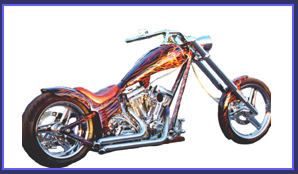
Ron, I need to know more about annealing, I build Motorcycle Gas tanks out of aluminum sometimes, usually 6061-T4 sometimes T6. (Usually what we have lying around) I've only had one tank fail. It cracked by one of the rubber mounts. It was also very large, aprox. 6 gal capacity. Normally when I make a tank I'll cut out my pattern and use an acetylene torch and soot the aluminum. Then I add the oxygen and burn the soot off. The aluminum becomes quite malleable. Off to the leather shot bag and it gets Whomped into the shape I want. I put it on the English wheel and smooth it. We have an air plannisher that has different urethane bumpers that help with the tight curves. It gets trimmed and then heliarc welded together. Normally after I weld it I’ll heat the whole thing up and allow it to cool off completely. Should I heat it and then quench it in water? I realise that this is a very crude way of doing stress relieving but it's all I got.
Here are a couple that I've built. www.thundercycle.com the 2003 Camel bike has an aluminum gas tank.
Ron, I need to know more about annealing, I build Motorcycle Gas tanks out of aluminum sometimes, usually 6061-T4 sometimes T6. (Usually what we have lying around) I've only had one tank fail. It cracked by one of the rubber mounts. It was also very large, aprox. 6 gal capacity. Normally when I make a tank I'll cut out my pattern and use an acetylene torch and soot the aluminum. Then I add the oxygen and burn the soot off. The aluminum becomes quite malleable. Off to the leather shot bag and it gets Whomped into the shape I want. I put it on the English wheel and smooth it. We have an air plannisher that has different urethane bumpers that help with the tight curves. It gets trimmed and then heliarc welded together. Normally after I weld it I’ll heat the whole thing up and allow it to cool off completely. Should I heat it and then quench it in water? I realise that this is a very crude way of doing stress relieving but it's all I got.
Here are a couple that I've built. www.thundercycle.com the 2003 Camel bike has an aluminum gas tank.
To think that I've been doing this wrong all this time comes to no surprise to me.
John
Regards,
John Jolley
Iskandar Taib · Jul 01, 2003 09:21 PM
#47 sourceGosh.. Those are pretty bikes, in a way, but they sort of remind of that Tasmanian Devil character, for some weird reason..


Broken Wings · Jul 01, 2003 10:08 PM
#50 sourceBeen there done that, for awhile the trend was theme bikes. Taz, Bevis and butthead, The Terminator, just about every cartoon character you could imagine.
Regards,
John Jolley
Iskandar Taib · Jul 01, 2003 11:47 PM
#52 sourceWhat I meant was that it's got something to do with the huge front part and tiny back part...
>What I meant was that it's got something to do with the huge
>front part and tiny back part...
>
>
>front part and tiny back part...
>
>
Now we're talking about girls???
/\/\/
Amazing scooters John. There's a bike that looks like it may be some of your work for sale (used) over in Bend, OR for just under $30K. It's a great looking scooter but waaayyyy out of my price range. Mine are old but I like 'em. I built the chopper from parts 30 years ago & I'm still working on it. It's a shovel conversion registered as a '56 FL with original numbers. I've only had the '80-80" bagger since '91. It was originally an FXWG.
Mine are old but I like 'em. I built the chopper from parts 30 years ago & I'm still working on it. It's a shovel conversion registered as a '56 FL with original numbers. I've only had the '80-80" bagger since '91. It was originally an FXWG./\/\/
BTW, I wonder if this thread can possibly get any farther away from control line? Now we've gone from tanks to guns to bikes Forgive us Leonard but this is fun
Somehow my bagger got lost in the ether. I'll try that again...
Broken Wings · Jul 01, 2003 10:51 PM
#51 source>Amazing scooters John. There's a bike that looks like it may
>be some of your work for sale (used) over in Bend, OR for
>just under $30K. It's a great looking scooter but waaayyyy
>out of my price range. Mine are old but I like 'em. I
>built the chopper from parts 30 years ago & I'm still
>working on it. It's a shovel conversion registered as a '56
>FL with original numbers. I've only had the '80-80" bagger
>since '91. It was originally an FXWG.
>
>/\/\/
>
>BTW, I wonder if this thread can possibly get any farther
>away from control line? Now we've gone from tanks to guns to
>bikes Forgive us Leonard but this is fun
>be some of your work for sale (used) over in Bend, OR for
>just under $30K. It's a great looking scooter but waaayyyy
>out of my price range.
Mine are old but I like 'em. I >built the chopper from parts 30 years ago & I'm still
>working on it. It's a shovel conversion registered as a '56
>FL with original numbers. I've only had the '80-80" bagger
>since '91. It was originally an FXWG.
>
>/\/\/
>
>BTW, I wonder if this thread can possibly get any farther
>away from control line? Now we've gone from tanks to guns to
>bikes
Forgive us Leonard but this is fun Nice Girder, "And Z Bars" Is that a down draft weber? (smiles) I've got a rigid that I built a few years ago, EVO with a 4speed, 88 stroker. I pulled it down a couple months ago for a face lift.(it's the rainy season here) I'll put a picture up when I get her all "TARTED UP" She's not much to look at but she GOES, Kinda like my ex-Wife. Nothing like a big bore short stroke....Gets up on the power band real fast. Power to weight ratio, Did I learn that here?
As Bad as the Economy is right now you would think that the Big Money Toy sector would be hurtin but I don't see an end to it. If they keep buying them I'll keep building them. 30K used is about right for one of our base models. They start at 35K and go up to 110K. It's Nuts.
I've allways built models, building a stunt plane is alot harder than building a bike (for me anyway). It must be the "Flying Part"... I learn alot from the guys on this forum. We have alot of talent that visits here. I like it.
Regards,
John Jolley
>Nice Girder, "And Z Bars" Is that a down draft weber?
>(smiles) I've got a rigid that I built a few years ago, EVO
>with a 4speed, 88 stroker. I pulled it down a couple months
>ago for a face lift.(it's the rainy season here) I'll put a
>picture up when I get her all "TARTED UP" She's not much to
>look at but she GOES, Kinda like my ex-Wife. Nothing like a
>big bore short stroke....Gets up on the power band real
>fast. Power to weight ratio, Did I learn that here?
>
>As Bad as the Economy is right now you would think that the
>Big Money Toy sector would be hurtin but I don't see an end
>to it. If they keep buying them I'll keep building them. 30K
>used is about right for one of our base models. They start
>at 35K and go up to 110K. It's Nuts.
>
>I've allways built models, building a stunt plane is alot
>harder than building a bike (for me anyway). It must be the
>"Flying Part"... I learn alot from the guys on this forum.
>We have alot of talent that visits here. I like it.
>
>
>
>(smiles) I've got a rigid that I built a few years ago, EVO
>with a 4speed, 88 stroker. I pulled it down a couple months
>ago for a face lift.(it's the rainy season here) I'll put a
>picture up when I get her all "TARTED UP" She's not much to
>look at but she GOES, Kinda like my ex-Wife. Nothing like a
>big bore short stroke....Gets up on the power band real
>fast. Power to weight ratio, Did I learn that here?
>
>As Bad as the Economy is right now you would think that the
>Big Money Toy sector would be hurtin but I don't see an end
>to it. If they keep buying them I'll keep building them. 30K
>used is about right for one of our base models. They start
>at 35K and go up to 110K. It's Nuts.
>
>I've allways built models, building a stunt plane is alot
>harder than building a bike (for me anyway). It must be the
>"Flying Part"... I learn alot from the guys on this forum.
>We have alot of talent that visits here. I like it.
>
>
>
Yup, that's a downdraft Weber. My wife gave it to me for Christmas in '75-'76(?) Nice carb, good performance & good fuel mileage, lots better on gas than the S&S on the bagger. It requires an electric fuel pump though. With just me on it with no extra crap & running around 65-70 on the highway I've gotten almost 50 mpg. That's a nice feature when the tank only holds 2.2 gallons of gas. (It only held 1.6 gallons before I filled the stock gas cap hole & put on the spout, really a drag with an old Linkert, I was looking for gas every 50 miles.) The S&S Shorty on the bagger performs well, but I'm lucky to get anything over 35 mpg. The girder is a Durfee. I bought it new for $175 back in '72. I just had nearly all the chrome & gold plating redone on the bike. The Z bars had been bent so many times from crashes I had to re weld the bottom 90's & grind 'em smooth before re-chroming. It's not really a hot rod by today's standards but it goes way faster than it stops. With that one drum brake in the back you want to grab gears & plan ahead a bit. I'd like to ride one of those beasts you build some day! Woowee!
/\/\/
Ron B.
F4Fguy
F4Fguy
First of all,WOW! I'd give anything to be able to"Whomp"metal into such gorgeous,sexy,sensual shapes!
Secondly,I'd like to say there's a simple answer to your question,but(as usual)it gets complicated.Aluminum alloys respond differently to heat treatment,depending on alloy,production method,and other factors.It appears to me that your basic approach is sound.On the other hand some fine tuning would improve things.
6061 is an Al/Cu/Si alloy which responds to solution/precipitation heat treatment.The most commonly available tempers are O,T4,T6,and T7."O" temper is fully annealed and is both soft and stable,but has the lowest mechanical properties."T4" is solution heat treated and quenched,and is also soft."T6"is precipitation heat treated(artificially aged)to the maximum properties and is hard,relatively unstable and difficult to work."T7"is over-aged to stress relieve and degrowth.
Unfortunately all these conditions are TIME/TEMPERATURE dependent.To get a full"O"temper you need to heat to 550/650 deg/F for 4/5 hr.,then furnace cool to room temp.For thin sheet i.e. 16/22ga. you can probably use shorter times,but the slow cooling is necessary to avoid quenching.On a more practical level,I'd recommend using a 550/600deg "Tempilstik" to mark several places,then use a rosebud torch on the other side until your reasonably sure the whole area has been up to temp and allow to cool in a draft free area.Be aware that"O"temper has very low properties,less than 1/2 those of T6 orT7.
As to the cracking you mentioned I'd need to know a lot more about the design and loading to make an educated guess.
This has already run on far too long for a Model Airplane Forum so I'm going to shut up now.If you want to pursue the subject further,give me a call,I'm listed in the PAMPA roster.
Ron B.